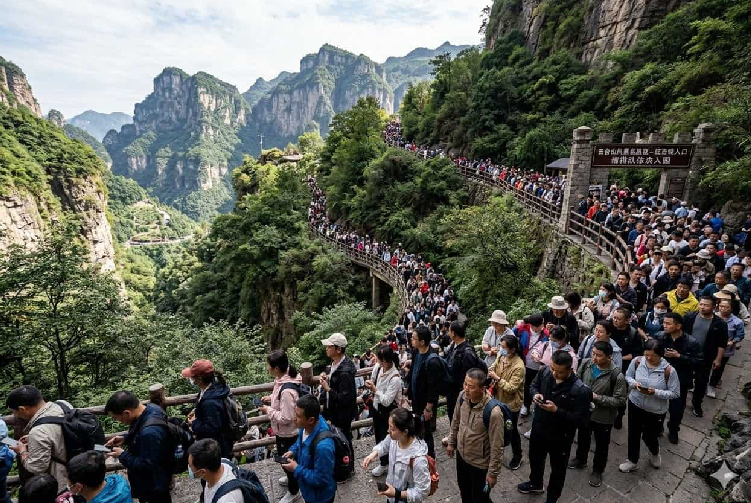
China’s 5A-level tourist attractions are facing a shift in market trends, with growing numbers of tourists questioning whether these nation’s most renowned scenic spots still deliver outstanding quality. Designated by the Ministry of Culture and Tourism, 5A-level sites have long stood as benchmarks for top-tier travel destinations boasting premier cultural heritage, natural landscapes and infrastructure quality. Nevertheless, as of 2026, tourists are embracing alternative travel experiences in pursuit of authenticity, convenience and lower costs, posing mounting challenges to the popularity of these iconic sites. From Beijing’s historic landmarks to the natural scenery of Zhangjiajie National Forest Park, visitors are reassessing these overcrowded attractions, opting instead for innovative urban walks, color-themed strolls and lesser-known destinations that deliver immersive cultural experiences without crowds.
China’s Top-Tier 5A Travel Destinations Enter a Transformation Period
Once the golden yardstick relied on tourists home and abroad to judge premium travel spots, China’s 5A-level scenic areas are now subject to re-evaluation. Launched in 2007, the 5A rating system was designed to select the country’s highest-quality tourist attractions. By 2025, the roster had expanded from an initial 66 top sites to 358, including landmark locations such as the Palace Museum in Beijing, the Oriental Pearl Tower in Shanghai and Zhangjiajie National Forest Park. While this expansion mirrors the growth of the tourism sector and continuous infrastructure upgrades, it has also sparked doubts over the consistency of rating criteria, and whether every 5A site truly lives up to premium quality standards.
Tourists are increasingly voicing complaints about hidden costs, notably mandatory shuttle bus fares, lengthy queuing times and additional transportation fees separate from entrance tickets. For instance, visitors to Changbai Mountain need to take multiple shuttle buses, whose combined fares nearly match the cost of admission tickets. Even with breathtaking natural vistas, the extra expenses leave travelers dissatisfied. These pain points have driven tourists to adopt alternative travel styles, including urban walks and color-themed strolls, enabling them to explore cityscapes more spontaneously and socially.
Oversaturation and continuous expansion of the 5A destination list have diluted the unique appeal these sites once held. Social media is flooded with complaints of overcrowding, homogenized experiences and inflated pricing, pushing travelers to seek quieter, more obscure spots. The rise of reverse tourism reflects travelers’ preference for authentic experiences over official rankings, signaling a fundamental shift in China’s travel priorities.
Chinese tourism regulators now face the challenge of preserving the credibility of the 5A rating system while ensuring modern visitors still view these scenic sites as worthy of a visit. Annual assessments cover infrastructure, environmental management, cultural significance and visitor volume; poorly performing sites must either be overhauled or delisted to safeguard the system’s public trust. Striking a balance between accessibility, pricing and cultural authenticity is critical to sustaining the allure of these top attractions and meeting new generations’ expectations for meaningful travel experiences.
By acknowledging these evolving trends, China’s tourism sector can refine its strategies for 5A destinations, blending tradition with innovation to roll out travel experiences that resonate with modern visitors, without compromising the integrity of the country’s most cherished natural and cultural landmarks.
China’s 5A Tourist Sites Grapple with Rising Visitor Expectations
The rapid proliferation of China’s 5A-level attractions has drawn widespread attention from domestic travelers, who increasingly question whether every 5A site delivers genuine, high-quality experiences. Key grievances include severe overcrowding, mandatory expensive shuttle services and prolonged waiting times, all of which degrade the sightseeing experience. Sites famed for their cultural or natural value are now measured against emerging travel trends shaped by social media. Tourists are exploring alternative itineraries and experiences, prioritizing convenience, authenticity and cost-effectiveness. The tourism industry must adapt to shifting visitor expectations to retain the appeal of 5A attractions and regain the trust of modern travelers.
Visitor Expenses & Shuttle Fees Spark Dissatisfaction at Major Scenic Spots
Mandatory transportation charges at China’s 5A sites are a major source of visitor frustration. At Changbai Mountain, for example, multiple shuttle rides cost more than the entry ticket itself; stunning scenery notwithstanding, the arrangement creates major inconveniences. Long queues at sites such as Yuntai Mountain further dampen visitor satisfaction, making transportation accessibility an urgent issue to resolve. Hidden costs erode travelers’ perceived value of attractions and discourage repeat visits. Transparent pricing, bundled ticket options and clear travel guides are essential to maintaining positive visitor impressions. By addressing these hurdles, China’s scenic areas can balance operational safety and tourist satisfaction, enabling these natural and cultural treasures to remain competitive and well-regarded among global and domestic visitors alike.
Cultural Authenticity Emerges as a Core Factor in Travel Choices
Chinese travelers now prioritize authentic local experiences over official rating labels. Traditional town districts, historic streets and cultural events hold greater appeal than standardized scenic attractions. Visitors crave immersive activities, interactions with local residents and unique content for social media sharing—a trend that undermines the established prestige of traditional 5A destinations. By integrating cultural authenticity, sustainable development principles and interactive visitor experiences, China’s tourism industry can cater to shifting traveler preferences while conserving cultural heritage, crafting meaningful travel experiences that strike a chord with visitors from home and abroad.
Stricter Evaluation & Governance Required to Uphold 5A Standards
Constant additions to the 5A roster without delisting underperforming sites have diminished the value of the rating system. To restore public credibility, authorities must enforce rigorous annual assessments spanning infrastructure, environmental management and visitor experience. More stringent standards will ensure only sites meeting top-tier criteria retain their 5A designation. Transparent evaluations and open communication can rebuild public confidence and elevate the reputation of China’s premier travel destinations. Effective governance must strike a balance between safety, accessibility and cultural originality, sustaining the charm of 5A attractions, fostering broader growth across the tourism sector, and boosting long-term visitor satisfaction across China’s diverse natural and cultural landscapes.