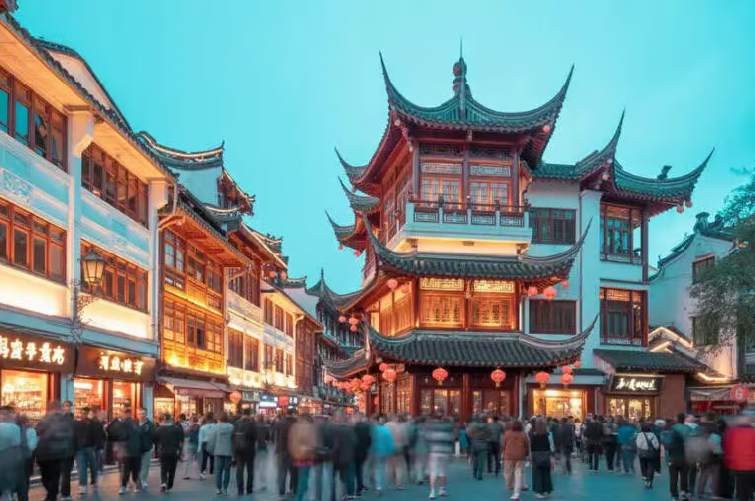
China’s inbound tourism is projected to undergo transformative growth by 2026, cementing its status as an ideal global destination for immersive cultural experiences, historic landmarks and vibrant urban exploration. Over the past decade, inbound tourism to China was hampered by multiple obstacles, including lengthy visa processing, fragmented digital payment systems, limited long-haul flight options, and inconsistent online information for international visitors. Today, these barriers are gradually being removed, triggering a sharp uptick in foreign tourist arrivals and reshaping China’s image as a top-tier global travel destination.
China’s visa reforms stand as the core driver behind this growth. At present, citizens from nearly 80 countries enjoy visa-free entry, while travellers from another 55 nations qualify for a 10-day transit visa valid for entry at multiple ports of entry. These policy revisions have delivered unprecedented surges in tourist numbers. International visitor arrivals are expected to hit 350,000 in 2025, marking a 30% year-on-year increase. International tourism revenue has also jumped markedly to nearly 7.88 billion US dollars, ranking sixth globally in terms of revenue growth.
Beyond policy adjustments, China’s enduring appeal stems from its diverse natural landscapes, time-honoured historical relics and efficient, well-connected urban transport networks. International travellers now have access to a full spectrum of destinations: from bustling gateway metropolises like Beijing and Shanghai, to culturally rich cities including Xi’an, Chengdu and Guilin, plus coastal cities such as Qingdao and scenic zones like Zhangjiajie. These locations deliver immersive experiences spanning river cruises, mountain hiking and wellness-focused accommodation options. China’s travel spots are no longer merely postcard-perfect vistas; visitors can engage firsthand with rivers, cliffs, ancient villages and nature reserves.
Tourism infrastructure is also advancing rapidly to sustain this expansion. City centres deliver seamless transport links, while a tiered destination development strategy targets high-value tourists, regional travel experiences, and distinctive cities boasting unique cultural or natural strengths. Meanwhile, supply-side upgrades including multilingual services, local hospitality training and tailor-made travel itineraries are steadily meeting rising international expectations. The synergy of supportive policies, upgraded infrastructure and immersive travel offerings is steadily turning China’s inbound tourism sector into a trillion-yuan industry, poised to make substantial contributions to national GDP growth.
Visa Reforms Unleash Record-Breaking International Inbound Tourist Flows
Recent optimisations to China’s visa policies have exerted a remarkable impact on international visitor volumes. Citizens of roughly 80 countries are now eligible for visa-free entry, and travellers from an additional 55 countries can apply for transit visas, covering numerous regions and ports of entry. These measures have encouraged inbound travel to gateway cities including Beijing, Shanghai, Guangzhou and Shenzhen. International arrivals are forecast to reach 350,000 in 2025, representing a 30% rise from 2024, alongside nearly 40% growth in tourism revenue — clearly demonstrating the direct boost visa facilitation delivers to tourism earnings and global traveller interest. Furthermore, these reforms have greatly improved long-distance travel accessibility, drawing visitors from Europe, the Americas, Australia and Southeast Asia to China’s iconic cultural and natural scenic sites.
Tiered Destination Strategy Creates Immersive Experiences
China’s inbound tourism strategy divides destinations into four tiers to maximise tourist engagement and spending:
- The first tier centres on major gateway cities such as Beijing and Shanghai, attracting high-value travellers with historic, cultural and modern attractions.
- The second tier focuses on the Guangdong-Hong Kong-Macao Greater Bay Area, encompassing Guangzhou, Shenzhen and Zhuhai, to lure visitors from Southeast Asia and the Middle East.
- The third tier prioritises culturally renowned cities including Xi’an, Chengdu and Chongqing, offering cultural heritage tours and gourmet travel experiences.
- The fourth tier develops distinctive cities like Hangzhou and Qingdao, leveraging their unique local advantages ranging from stunning coastal scenery and brewing culture to wellness retreats.
This tiered planning ensures both broad reach and deep engagement for international tourists.
Natural Landscapes & Cultural Heritage Forge Unique Charm
China’s natural scenery and cultural heritage lay the foundation for immersive tourism. Regions such as Guilin and Yangshuo combine boat cruises among karst peaks, hiking trips and agritourism homestays, drawing hundreds of thousands of international visitors annually. Zhangjiajie’s limestone pillar formations and Qingdao’s coastal vistas have also become breakout travel hotspots, with visitor numbers surging by 301% and 664% respectively. The multi-layered experiences these destinations provide transcend conventional sightseeing, enabling travellers to fully immerse themselves in local culture. Beijing’s landmark sites — the Palace Museum, the Great Wall and traditional hutong alleyways — remain core draws, while wellness and adventure tourism are flourishing in rural areas and scenic reserves alike.
Urban Centres Expand Connectivity & Visitor Services
China’s city centres deliver seamless travel infrastructure for international tourists. In 2025, Beijing received 54,800 overseas visitors generating over 700 million US dollars in consumption, while Shanghai hosted 93,600 international arrivals. These figures showcase China’s robust transport networks and comprehensive hospitality support systems. Offerings including cultural heritage itineraries, short stopover excursions and multilingual assistance have lifted visitor satisfaction levels. Urban transit networks, hotel facilities and custom city experiences streamline travel journeys, boosting the appeal and long-term sustainability of urban tourism. These developments reflect China’s sustained investment in scalable, high-quality tourism infrastructure.
Economic Impacts & Future Outlook
China’s inbound tourism sector is set to evolve into a trillion-yuan industry, with its GDP contribution projected to climb from 0.5% to 2%. Each one-percentage-point uptick translates into hundreds of billions of yuan in additional revenue, underscoring the sector’s vital economic role. Strategic policies, immersive travel experiences, and ongoing investments in infrastructure and workforce development are positioning China as a leading global destination for leisure, business and cultural travel alike. The outlook remains highly promising. Steady iterative improvements and effective policy execution will steer China toward a sustainable, high-value tourism economy.