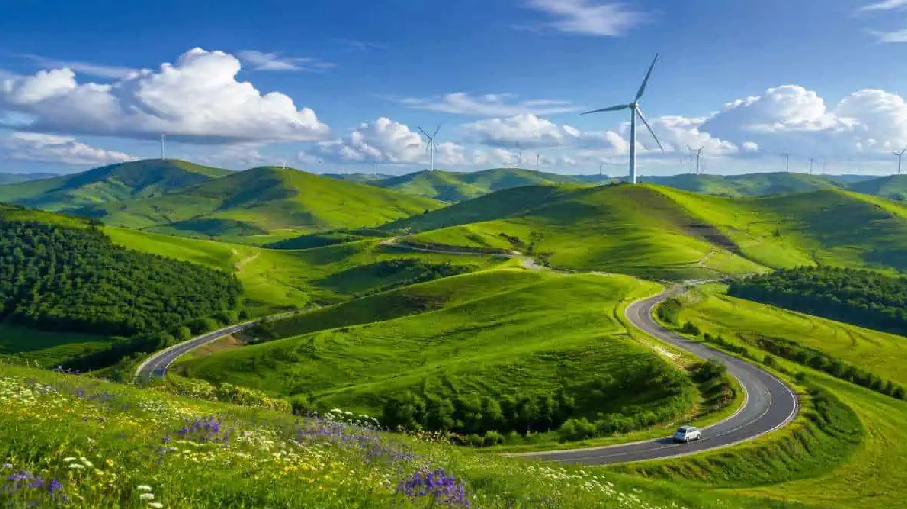
The Bashang Plateau in China is a flourishing summer destination. It has scenic driving routes and has grasslands, forests, and a multitude of other landscapes for 16,000 square kilometers. Being between the North China Plain and the Inner Mongolian Plateau, the summer heat can become oppressive, but the summer temperatures on Bashang range from 18-24 degrees celsius. Cooler temperatures and a growing popularity of outdoor adventures and nature tourism has quickly made Bashang popular for other vacation activities like photography and relaxing.
The shift in Bashang’s popularity demonstrates an increasingly popular trend in China’s tourism market toward ecotourism and nature-based tourism. The Bashang Plateau has an abundance of open landscapes and historic sites along with direct accessibility to Beijing, all of which combine to make Bashang a northern China summer getaway destination. Unlike plateaus in China focused on traditional tourism, Bashang has rolling highland roads and vast grasslands forested with trees and home to lakes and wetlands. This makes Bashang an optimal destination for multiple tourism styles from adventurous to photogenic to culturally rich.
Bashang Plateau Connects Four Unique Tourism Regions Across Hebei
Bashang Plateau stretches across parts of Chengde and Zhangjiakou cities in Hebei Province. The destination is divided into four major tourism areas, each offering different attractions and travel experiences.
Each region contributes a different character to Bashang’s tourism appeal. Fengning Bashang is among the most accessible areas from Beijing and has become popular for scenic driving, grassland experiences and outdoor recreation. Datan Town serves as a key visitor centre, while the Hundred-Mile Sky Road provides one of the region’s most spectacular highland routes.
Weichang Bashang combines nature with history. The area includes Mulan Paddock, the former royal hunting grounds of the Qing Dynasty, and Saihanba National Forest Park, a major ecological tourism destination known for its forests, wetlands and lakes.
Zhangbei Bashang attracts younger travellers through music, road trips and open prairie scenery. The Prairie Music Highway has become a popular self-drive route, crossing grasslands, farmland and wind power landscapes.
Guyuan Bashang focuses on wetland tourism and peaceful natural scenery. Lightning Lake and Five-Flower Meadow provide visitors with opportunities for wildlife observation, photography and relaxing outdoor experiences.
Cool Summer Climate Turns Bashang Into Northern China’s Natural Heat Escape
One of Bashang’s biggest tourism advantages is its climate. The high elevation creates cooler summer conditions compared with many major cities across northern China. During July and August, when temperatures rise across urban areas, Bashang offers comfortable daytime conditions suitable for outdoor exploration. The grasslands become covered with green vegetation, while wildflowers create colourful landscapes across the plateau. The summer season from late June to August is considered the best period for travellers looking for a cool-weather holiday. During this time, visitors can enjoy:
- Horseback riding across open grasslands
- Scenic road trips through mountain ridges
- Camping under clear skies
- Outdoor photography
- Traditional cultural activities
- Stargazing away from city light pollution
The region’s natural environment has helped establish Bashang as a leading destination for travellers seeking fresh air, open landscapes and slower-paced holidays.
Hundred-Mile Sky Road and Prairie Highways Create Iconic Scenic Journeys
Bashang’s scenic roads are becoming some of the most attractive self-drive tourism routes in northern China. The Hundred-Mile Sky Road is one of the plateau’s signature attractions. The route passes through birch forests, alpine grasslands, wind turbine fields and highland viewpoints. Travellers can stop at locations such as Baihua Slope, known for summer flower landscapes, and Liuyun Ridge, where clouds create dramatic views after rainfall.
The route offers a changing landscape throughout the journey. Green hills, colourful meadows and wide-open skies create ideal conditions for photography and nature exploration. Another major attraction is the Prairie Music Highway in Zhangbei. The route combines tourism, music culture and scenic driving. It passes through rolling grasslands, agricultural landscapes and large wind farms, creating a unique travel experience. These routes reflect the growing popularity of road tourism in China, where visitors increasingly choose flexible journeys that combine scenery, local culture and outdoor activities.
Royal History and Ecological Success Add Cultural Depth to Bashang Tourism
Bashang is not only a destination for landscapes. It also offers important historical and ecological attractions. Mulan Paddock remains one of the region’s most significant cultural sites. Once used as a royal hunting ground during the Qing Dynasty, the area represents the historical relationship between imperial traditions and the northern grasslands. Today, visitors can explore the region’s natural environment while learning about its historical importance. Nearby, Saihanba National Forest Park provides a different landscape experience. The park features extensive forests, wetlands and lakes, creating a green ecological zone on the plateau. It has become one of northern China’s best-known examples of forest restoration and environmental tourism. The combination of royal heritage and ecological landscapes gives Bashang a broader tourism identity beyond traditional grassland holidays.
Outdoor Adventures and Mongolian Cultural Experiences Expand Visitor Appeal
Adventure tourism plays an important role in Bashang’s growing popularity. Horse riding remains one of the most popular activities, with official riding facilities available in areas including Datan Town and Guyuan. Visitors can explore grassland trails while experiencing traditional pastoral landscapes. Off-road driving is another major attraction. Four-wheel-drive excursions allow travellers to explore sandy areas, grass slopes and remote sections of the plateau. Night-time experiences also attract visitors. The high elevation and limited light pollution create excellent conditions for viewing stars and the Milky Way.
Many tourism areas offer cultural experiences inspired by local traditions, including:
- Grassland bonfire activities
- Traditional performances
- Local cuisine experiences
- Outdoor evening gatherings
These activities allow travellers to experience the lifestyle and culture connected with the plateau environment.
Autumn Colours and Winter Landscapes Create Year-Round Tourism Potential
Although summer remains Bashang’s busiest season, the plateau offers different experiences throughout the year. From September to early October, autumn transforms the landscape with golden birch forests, yellow grasslands and clear blue skies. This period is particularly attractive for photographers and travellers seeking quieter scenic journeys.
Spring, from May to early June, offers lower visitor numbers and emerging greenery. Wildflowers begin appearing, although temperatures remain cold during the night. Winter brings a completely different atmosphere. From November to March, Bashang becomes a snow-covered landscape with frozen scenery and dramatic winter views. Photographers often visit Saihanba and surrounding areas during this period to capture snowy forests and untouched landscapes.
Beijing Connectivity Makes Bashang Accessible for Domestic and International Travellers
Bashang’s location near Beijing provides a major advantage for tourism growth. Most travellers use Beijing as the starting point before travelling to different parts of the plateau. Self-driving remains the preferred option because attractions are spread across a large geographical area.
Driving Routes
Fengning and Guyuan Bashang
- Route: Jingli Expressway or Capital Ring Expressway
- Travel time: Around 3–4 hours
- Distance: Approximately 240–280 km
Zhangbei Bashang
- Route: Jingzang Expressway through Zhangjiakou
- Travel time: Around 3–3.5 hours
- Distance: Approximately 230 km
Weichang and Saihanba
- Route: Daguang Expressway through Chengde
- Travel time: Around 5–6 hours
- Distance: Approximately 400–450 km
High-speed rail provides another option for travellers. Visitors heading to Zhangbei or Guyuan can take high-speed trains from Beijing North or Qinghe Railway Station to Zhangjiakou Railway Station. The journey takes approximately 50–60 minutes, followed by local transport. Travellers visiting Fengning or Weichang can travel from Beijing Chaoyang Station to Chengde South Railway Station in around one hour before continuing by rental car or charter vehicle.
Bashang Plateau Strengthens China’s Nature Tourism Future
Modern tourism in China is changing and Bashang Plateau is one of its leading examples. With something for every season of the year, outdoor recreational offerings, stunning natural attractions and history, Bashang is attractive for all forms of modern travel. With four geographic regions, world-famous scenic drives, year-round attractions and developing access roads, Bashang is increasingly a choice destination for travelers looking to get away from the city in Hebei.
The vast skies, open grasslands and culturally-rich landscapes are the new offering and continued evolution of Bashang Plateau as an Adventure-leisure-ecotourism destination.