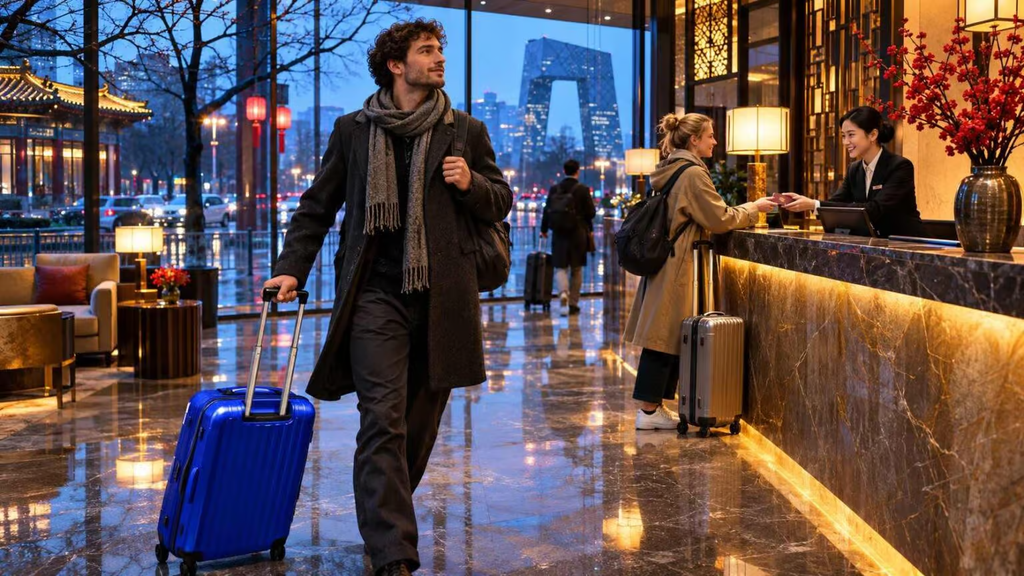
China’s inbound tourism is gaining momentum, with more hotel bookings even as average room rates have slipped in the market tracked by a new industry report. The World Tourism Alliance, Beijing International Studies University and Trip.com Group released the assessment on 11 November 2026 at the Xianghu Dialogue in Hefei, Anhui province. The findings raise a question for China’s hospitality industry as the country seeks to attract more overseas visitors. Can hotels turn stronger demand into higher earnings when the average room price is falling? For travellers, the figures make a case for comparing prices across dates, neighbourhoods and room types.
Why China’s inbound tourism growth is testing hotel revenues
The World Tourism Alliance’s market sentiment report points to growth in both flight and accommodation bookings. It also found that average hotel prices had fallen, while some surveyed businesses reported that profits had improved more slowly than visitor numbers.
For a hotel manager, a fuller booking calendar can still leave a difficult week on the accounts. A lower average rate means a property needs to sell more room nights to generate the same room revenue. Servicing those extra rooms carries costs, from housekeeping and laundry to commissions on some bookings.
The mix of properties travellers choose can also affect the average. A larger share of bookings at budget hotels, for example, would pull it down even if individual properties held their prices steady. The available findings give no percentage decline or city-level breakdown, leaving open how much of the change came from pricing and how much came from where guests chose to stay.
Foreign entries rise as more travellers use visa-free access
China’s National Immigration Administration recorded 11.60 million entries by foreign nationals between July and September 2026, up 15.6% year on year. Visa-free entries rose 24.1% to 8.99 million, accounting for 77.5% of all foreign entries. These figures cover multiple purposes, including business and family visits, and can include repeat trips by the same person.
China’s National Bureau of Statistics counted 131.9 million inbound visits in 2024, including visits from Hong Kong, Macao and Taiwan. In March 2026, Culture and Tourism Minister Sun Yeli said China had recorded more than 150 million inbound tourism visits in 2025, with spending up nearly 40%.
Visitor spending includes accommodation alongside purchases such as meals, transport and shopping. A change in the average hotel rate therefore gives a narrower view of the market than the national spending figures.
Winter flights widen the choice of gateways
The Civil Aviation Administration of China says airlines scheduled 16,654 international passenger flights a week connecting China with 84 countries for the winter season, which runs from 25 October 2026 to 27 March 2027. Scheduled services between China and 15 major inbound source markets, including Singapore and Malaysia, increased 14.4% year on year. Flight frequencies across a group of 16 routes, including Busan–Zhangjiajie and Moscow–Haikou, rose 45.9% in total.
The airport where a visitor lands can shape the rest of the trip. A direct flight closer to the destination can save a domestic connection and free up time for an extra night, a guided visit or a meal nearby. For airports, tour operators and local businesses, the commercial question is how many of those passengers spend time in the area after landing.
China’s 2030 tourism plan puts spending alongside arrivals
China’s Ministry of Culture and Tourism has set a target of 190 million annual inbound visits and more than US$150 billion in annual visitor spending by 2030. Its five-year plan ties regional tourism development to high-speed rail corridors and cultural routes, including the Grand Canal and the Yangtze. It also sets out a wider role for tourism in employment and economic growth.
For a hotel near a station or attraction, a second night changes what a guest can fit into a trip. It gives a guide another day to sell, a restaurant another evening booking and the hotel another chance to earn room revenue. The value of better transport connections for local businesses depends partly on whether visitors have enough reason to stay overnight.
Frequently asked questions
Can I visit China without a visa?
Eligibility depends on your passport, the purpose of your visit and your itinerary. China’s visa-free transit policy allows eligible ordinary passport holders from 57 countries to stay for up to 240 hours in permitted areas with a confirmed onward ticket to a third country or region. Separate visa exemptions apply to some nationalities, so check which rule covers your trip before booking.
Can I leave my arrival city on a visa-free stopover?
Yes, within the areas permitted under the 240-hour policy. Check that your entry port, departure port and planned destinations fit the rules before buying rail tickets or booking accommodation.
How can I tell if a hotel deal is genuinely cheaper?
Compare the final price for the same dates, room type and number of guests. Check taxes, breakfast and cancellation terms, then factor in the cost of getting between the hotel and the places you plan to visit.
China has made it easier for eligible visitors to enter, and its winter flight schedule gives travellers more ways to build an itinerary. The hotel finding shows why access and bookings tell only part of the story. The commercial outcome depends on how long guests stay, what they pay for rooms and how much they spend with businesses nearby. China’s tourism ministry has set separate targets for visitor numbers and spending by 2030. Progress towards both will show how much value the country is drawing from the trips it has made easier to take, from airport arrivals to hotel checkouts.