The transformation of the blueberry industry in the Pinggu District of Beijing is currently seen as a significant milestone in modern agricultural practices. Greenhouse blueberries are expected to reach their peak maturity by early 2026, and local governments and staff are implementing a multifaceted business and regional development strategy. This strategy is characterized by strategic deployment…… Live streaming e-commerce platforms and expanding agritourism projects ensure that the fruits of the harvest can effectively reach a wider range of consumer groups.
The role of greenhouse technology
These high-quality fruits are grown thanks to state-of-the-art greenhouse facilities located in the heart of the country. These facilities in Pinggu District are designed to maintain optimal climatic conditions that allow blueberries to thrive without fluctuations in weather outside the capital. It has been observed that local workers take good care of the blueberry plants, responsible for monitoring their growth cycles. From initial flowering to final fruit ripening, each growth stage is precisely managed to ensure the highest quality products for both local and national markets.
Digital commerce and live streaming strategies
The use of digital sales technology is leading a major shift in distribution models. Agricultural products are no longer solely reliant on traditional wholesale channels, but are promoted directly to consumers through live events held in greenhouses. The anchors showcase products in real time, allowing viewers to witness the freshness and quality of the produce before purchasing. This direct-to-consumer model bypasses traditional middlemen, enhancing both economic gains for local farming communities and faster access to fresh produce for urban residents.
Agritourism as a regional catalyst
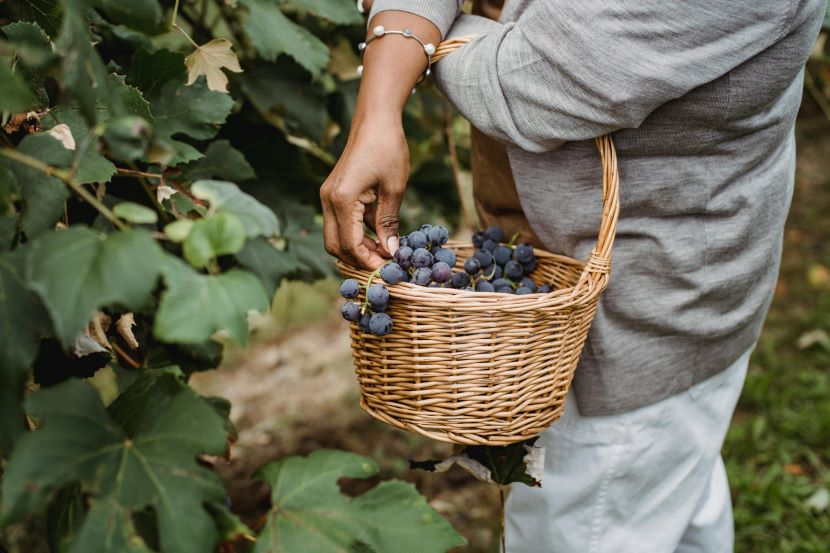
In addition to digital sales, the physical environment is crucial. Pinggu District This initiative aims to strengthen the connection between urban residents and food sources. Agritourism projects have been established in the area, inviting citizens to visit greenhouses and participate in the hand-picking of blueberries. This experiential tourism is seen as an important part of the local economy, as it encourages weekend excursions from the city center. By opening up its agricultural bases to the public, Beijing has created a unique environment for education and entertainment, further solidifying the region’s reputation as a hub for sustainable and interactive agriculture.
Logistics and quality assurance
The logistics of blueberry picking are centered around speed and freshness. After the fruit is picked, workers at the planting base immediately process and package it. Hygiene and efficiency standards are strictly adhered to in the packaging process to ensure that the delicate character of blueberries is fully preserved. This streamlined and efficient supply chain is crucial for fulfilling the high volume of orders from e-commerce platforms, ensuring that the entire process from the greenhouse to the consumer’s doorstep is as smooth as possible.
Economic impact on local communities
The convergence of these modern industries is having a profound impact on the livelihoods of those living in these areas. Employment opportunities in Pinggu are not only reflected in traditional agricultural positions, but also in technical fields such as e-commerce management, digital marketing and hospitality services. These diversified income streams empower the local workforce, thereby contributing to the overall stability and growth of the rural economy. Beijing Municipal Area. Notably, the success of the blueberry industry provides a blueprint for other agricultural products in the region, demonstrating the potential of technology to revitalize traditional industries.
Future outlook for sustainable agriculture
As the 2026 season progresses, the team is building momentum…… The blueberry industry in Pinggu District is expected to have an impact on future agricultural policies. The synergy between digital innovation and physical tourism is being seen as a sustainable model for rural revitalization. It is currently working on further improving planting technology and digital promotion strategies to ensure its long-term sustainable development. With a focus on quality, transparency, and consumer engagement, the agricultural landscape is transforming. Beijing is being reshaped to meet the needs of a modern technological society while retaining the necessary connection to the land.
The end of the seasonal harvest
The ongoing event in Pinggu represents not only a bountiful harvest but also a cultural and economic shift towards an integrated agricultural system. Taking the blueberry industry as an example, the potential of traditional industries to develop and grow in the digital age is obvious. As long as innovation and quality are put first, the capital’s agricultural prospects remain bright and can continue to provide citizens with fresh and high-quality agricultural products. China also promotes regional economic development through innovative and sustainable means.