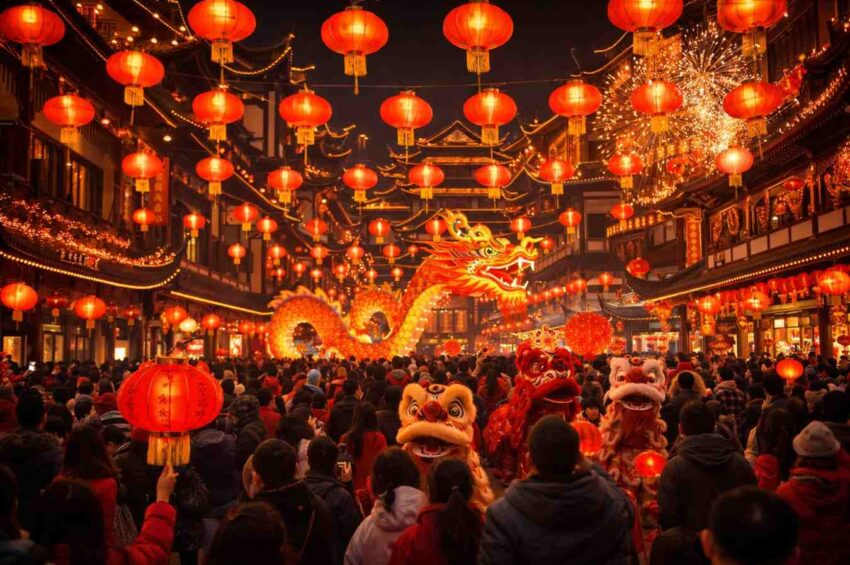
As the world’s most populous country, China expects to see a staggering 950 million passenger trips during the 40-day peak travel period of the Lunar New Year in 2026, breaking previous records and triggering …… Tourism through Beijing and Shanghai This massive migration, spanning rail, air, and road, highlights the grandeur of family reunions and leisure getaways during the festive season in these urban centers. This wave has greatly boosted the …… Tourism in China has made significant strides by overwhelming transportation networks, stimulating economic activity, and enhancing visitors’ experiences at landmarks such as the Great Wall, Beijing and the Bund of Shanghai.
Lunar New Year tourism on an unprecedented scale
Authorities expect railway passenger traffic to reach 540 million and civil aviation passenger traffic to reach 95 million, both exceeding the historical peak from early January to the end of February. Highway passenger traffic will account for the vast majority of 898 million, reflecting the core position of urban and rural traffic flow in transportation. China Tourism. Beijing and Shanghai, as major hubs, have seen a significant increase in flight arrivals, and tour operators are preparing for crowds at temples and night markets during the nine-day holiday period from February 15 to 23.
The volume affects China tourism by testing the resilience of infrastructure, prompting high-demand routes to increase capacity. The Forbidden City in Beijing and the Yu Garden in Shanghai. The increased accessibility has contributed to the extended stay of tourists, which benefits the hospitality industry and local artisans during the festival. Domestic tourism travelers thrive by combining tradition with sightseeing, energizing the seasonal economy.
Rail and aviation networks fuel tourism surges
High-speed rail dominates, with lines overwhelmed during peak hours of the day. Beijing and Shanghai from Guangdong, Sichuan and other provinces. The goal of aviation growth is short-haul leisure tourism, connecting second-tier cities with these metropolises. Tourist hotspots. Shanghai Pudong Airport and Beijing Capital International are poised for record throughput, streamlining check-in processes to sustain the operation of China Tourism momentum.
The extended holidays have stimulated tourism diversification, encouraging excursions to Beijing’s hutongs and Shanghai’s waterfront districts. Families prioritize comfort, leading to superior service, enhancing satisfaction and increasing repeat business. This dynamic has reshaped the Chinese tourism model, striking a balance between mass sports and premium experiences.
Economic growth comes from China’s tourism peak
Tourism This has driven the tourism boom, with tourism spending expected to hit a new high with 950 million trips, driving widespread consumption. Beijing Participated in cultural activities such as temple fairs and benefited a lot; Shanghai attracts food lovers to the Lantern Festival, promoting retail and service sectors. The government strategically positions tourism as a consumption driver, aligning with economic recovery goals.
Local economies Beijing and Shanghai have hotel occupancy rates close to 100%, and the economy is booming, driving job growth. Chinese tourism The curiosity of inbound tourists drives the government to profit, and visa policies attract foreigners to participate in festivals. Rural tourism As villagers take in refugees fleeing the cities, wealth circulates across the country, and the economy grows.
Popular destinations are overwhelmed by tourism
The Royal Palace in Beijing and the skyscrapers in Sanya in Shanghai, the Ice and Snow Festival in Harbin, and the beaches in Sanya are popular tourist destinations. Scenic spots implement limited-time entry systems to control foot traffic to maintain their appeal. Improvements in China’s tourist transportation facilities ensure seamless connectivity, reducing delays that can impact visitor enthusiasm.
The tourism epidemic has had a more serious impact on second-tier hub cities such as Chengdu and Xi’an, but Beijing and Shanghai have stabilized the tourism boom. Operators promote off-peak hours during peak tourist seasons, which not only alleviates tourism pressure, but also maximizes revenue. Sustainable development models emerged, preserving cultural heritage amidst a booming tourism industry. China Tourism.
Infrastructure readiness tourism inflow
Significant investments have strengthened rail and airport infrastructure by increasing train frequencies and increasing flights, prioritizing routes to destinations like Beijing and Shanghai. Smart technologies, such as apps for real-time booking, aid in navigation, enhancing China tourism efficiency. Popular areas have been targeted to expand capacity to avoid bottlenecks during peak periods.
This preparation makes a difference. Tourism can make a positive impact by boosting travelers’ confidence and encouraging them to make bolder plans. The expansion of the Beijing metro and the maglev line in Shanghai serve as examples of progress, turning potential chaos into a smooth journey. In the long run, it consolidates …… China tourism as a global marvel.
sustainable tourism in record travel
The authorities advocate for green initiatives, from low-emission vehicles to reducing waste. Travel websites Beijing and Shanghai campaigns call for responsible behavior to protect the environment that has been vulnerable by the actions of millions of people. China’s tourism The development trend of tourism is to focus on quality over weight, and eco-resorts are becoming more and more popular.
Digital tools minimize paper usage, while off-peak scheduling alleviates congestion in hotspots. These measures ensure that …… Tourism growth benefits the ecosystem, attracting millennials who are conscious of the Chinese tourism trend.
Regional differences in tourism impact
The route to the north of Beijing is crowded with snow chasers, while the road to the south of Shanghai favors warmth-seeking crowds. Cross-regional mobility blends business and leisure, enriching …… China’s tourism diversity. All provinces coordinate to deal with spillover effects and optimize the national scale. tourism potential.
Shanghai’s cosmopolitan atmosphere attracts expats and promotes multicultural exchange. Beijing focuses on history and attracts educators and families. Balanced development prevents urban overload and cultivates emerging forces. tourism node.
Family reunion activities China tourism
At the heart of the homecoming journey lies family bonds, which often encompass these factors. Tourism detours between Beijing and Shanghai are more inclined towards hybrid vacations, combining work with adventure. This fusion can sustain …… Chinese tourism is dynamic, with both tradition and modernity.
Post-holiday analysis will refine future strategies and ensure scalability. The role tourism plays in social cohesion enhances its economic impact.
Future outlook China tourism
The Lunar New Year 2026 consolidates China’s travel prowess, with Beijing and Shanghai as epicenters. Record travel promises continued …… tourism expansion, and promising innovations in mobility and hospitality services. With the growth of the network, China Travel has become a global sensation, seamlessly blending scale and tranquility.