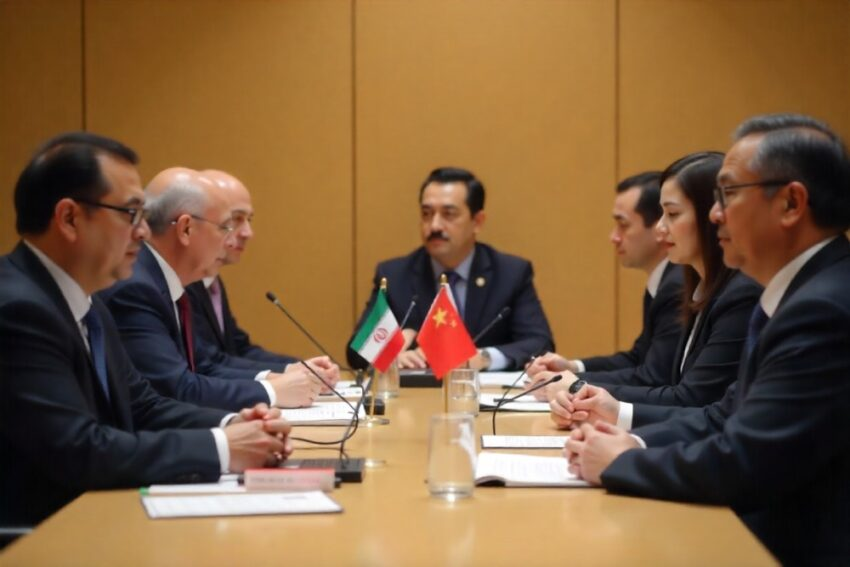
At the second congress of the Asian Cultural Heritage Alliance, Iranian Minister of Cultural Heritage Salehi Amiri emphasized the need for Iran to expand bilateral cooperation with China in the fields of cultural heritage, tourism and handicrafts. The Asian Cultural Heritage Alliance Summit in Chongqing brought together important representatives from the two countries to discuss how to use shared cultural heritage and tourism resources for mutual benefit and win-win results, and strengthen the tourism development of Iran and China.
Therefore, with the continuous advancement of tourism cooperation between China and Iran, tourism exchanges between China and Iran are expected to grow in the next few years. The rise of China’s middle class and the growing interest in cultural tourism have brought great prospects for Iran’s tourism industry. Salehi-Amiri emphasized that Iran has the potential to become a major tourist destination for Chinese tourists, mainly due to its rich history, UNESCO World Heritage Sites, and diverse culture.
Expand Iran’s tourism attractiveness to Chinese tourists
China currently sends more than 1.6 million tourists abroad each year, and is expected to increase this number by 2 million by 2030. However, Iran’s share of this growing outbound tourism market has been relatively niche. Salehi Amiri Jr. said Iran’s efforts to attract more people to the Chinese tourism market, emphasizing the diversity of Iran’s tourism offerings – from historical landmarks such as Persepolis to its natural landscapes and Ecotourism opportunities – making it a compelling destination for Chinese tourists.
The irreplaceable cultural gem of Iran combined with the growing demand for immersive cultural travel experiences makes a strong case for Chinese travelers to include Iran in their travel plans. This alignment between China’s outbound tourism and Iran’s cultural heritage is seen as a key area of growth for bilateral tourism cooperation.
Promote the export of Iranian handicrafts and cultural products to China
Beyond tourism, Salehi Amiri also highlights Iran’s potential to expand handicraft exports to China, where handicrafts are a key component of its cultural identity. Iran produces 299 types of handicrafts, including carpets, metalwork, and pottery, which are globally recognized. Given China’s leadership in the global handicraft market, Salehi Amiri sees a great opportunity to promote Iranian handicrafts as high-quality exports to China.
With China’s growing interest in handmade and unique products, Iranian handicrafts are well-positioned to find a market in China, where the demand for high-quality handmade products will not only boost …… Iran’s cultural heritage also helps generate income and support local artisans by opening new export markets for traditional Iranian crafts.
Promote tourism growth and economic diversification through bilateral cooperation
Salehi Amiri emphasized that tourism is one of the most important drivers of economic growth for both Iran and China. By strengthening cultural and tourism cooperation, both countries will benefit from mutual growth in tourism and cross-cultural exchange. For Iran to attract more Chinese tourists will increase tourism-related revenue and for …… Provides significant opportunities for local businesses in hospitality, tourism services, and cultural industries.
Additionally, regional tourism cooperation can foster economic diversification in Iran, particularly through the development of ecotourism, medical tourism, and luxury travel, all of which are growing in global attention. With China’s role in the global tourism market, this partnership has the potential to transform Iran’s tourism industry into a key player in the Middle East and Central Asia region.
Promote sustainable tourism practices for future generations
Both Iran and China towards sustainable tourism development Their cooperation will focus on protecting their shared cultural heritage while promoting eco-friendly tourism and green tourism by leveraging their sustainable tourism practices, both countries are committed to creating a environment that respects the environment, Ensure a safe mode of tourism. The long-term preservation of heritage sites, and enhance the visitor experience.
Sustainable tourism is not only essential for the preservation of cultural heritage but also for the growth of local economies and shared concerns about environmentally responsible tourism will help reduce the negative impacts of tourism while promoting …… The economic and cultural benefits shared by both Iran and China will promote local community participation in cultural tourism, support initiatives for environmental conservation and promote responsible travel.
Strengthen Iran’s position in the global tourism market
And…… The partnership between China and Iran presents a unique opportunity to enhance its presence in the global tourism market, and by focusing on cultural diplomacy, sustainable tourism, and cross-border collaborations, Iran can elevate its position as a leading destination For cultural travelers from China and other countries.
As tourism numbers rise, cooperation between Iran and China will help Iran create a competitive advantage in the global tourism industry and attract a wider range of international tourists. This increased tourism flow will support the local economy, create jobs, and drive long-term economic growth in Iran.
Iran-China tourism cooperation has bright prospects
The increasingly close tourism cooperation between Iran and China has brought broad development prospects for the two countries. This will help strengthen cultural exchanges, promote ecotourism, and increase tourism interaction, thereby laying the foundation for an economically sustainable future for cultural tourism and nature-friendly development.
As China’s tourism market continues to grow, Iran does have the potential to become one of the important destinations for Chinese tourists to experience multiculturalism, engage in heritage tourism and enjoy high-end travel. Through continued cooperation, Iran and China will build a mutually beneficial tourism ecosystem that not only attracts more tourists but also deepens their understanding and appreciation of each other’s rich cultural heritage.