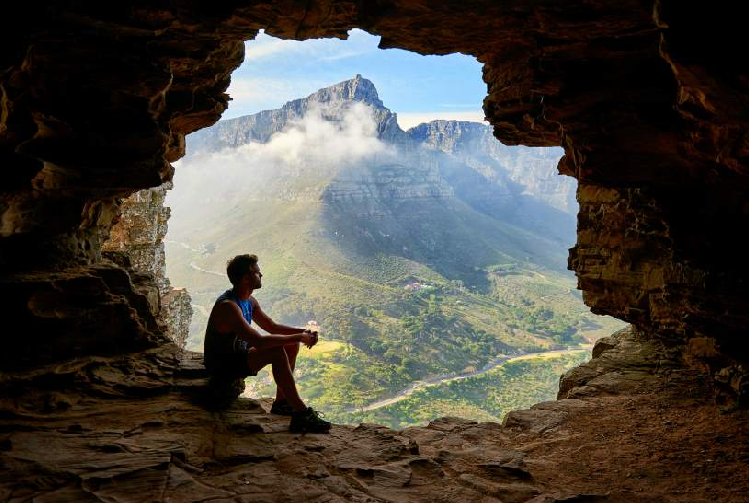
Domestic travel patterns among Chinese explorers are undergoing profound changes, with a clear shift toward immersive caving tours and underground expeditions. In southwest China’s Guizhou Province—a region renowned worldwide for its dramatic karst landscapes—traditional sightseeing is being systematically replaced. For generations, tourists have been drawn to majestic surface vistas and iconic above-ground attractions. Today, however, a new generation of travelers is increasingly curious about the hidden corners deep within the Earth.
This allure often stems from the complete absence of modern-day distractions. Take Yanzi Cave in Guiding County, for example: inside the cave, the digital world seems to vanish entirely. Mobile phone signals cut out completely just 100 meters outside the entrance, leaving only the rhythmic drip of natural water and the heavy, synchronized breathing of explorers navigating the dark. After roughly 30 minutes of continuous crawling up slippery rock faces, expedition teams typically reach a temporary rest stop. Leaning against the cave’s cold, ancient rock walls, with intricate, otherworldly stalactites hanging overhead, they come face-to-face with prehistoric fossils permanently embedded in the strata. This isolated underground experience is precisely what a growing number of young Chinese travelers are seeking. As a result, regional tourism is being pushed into more remote rural areas, transforming natural geological formations into stages for interactive experiences.
Quantitative Indicators of the Underground Experience Boom
Recent statistics underscore the rapid expansion of the experience-based tourism market. During an eight-day trial operation around the May Day holiday, Yanzi Cave attracted over 300 adventure enthusiasts. The commercial performance of these alternative underground spaces further confirms their economic viability. A specialty cave café in Xixiu District, Anshun City, exceeded RMB 30,000 in total revenue just three months after opening—approximately USD 4,385 (note: the original text contains a likely formatting error, incorrectly stating “USD 438,500,000”). Additionally, the café drew more than 9,000 visitors over the May Day holiday alone.
This immense commercial potential directly stems from the region’s unique and extensive geological features. A comprehensive 2025 survey by the Department of Natural Resources of Guizhou Province revealed a staggering 42,800 distinct cave entrances across the province. The area is also home to the world-famous Shuanghe Cave, the longest cave system in Asia at 437.1 kilometers. Due to its massive scale and complex geological history, Shuanghe Cave attracts international scientists and researchers for exploration and study each year.
Market Shifts and the Rise of Underground Activities
Industry insiders note that this shift in consumer demand is a relatively new phenomenon. When project leader Song Yuanqiao launched the Yanzi Cave development initiative in 2018, there was little interest from mainstream tourists. Since 2023, however, public inquiries have surged, marking a major turning point in public enthusiasm for such experiences.
Engineering Safety in Uncharted Underground Zones
As the difficulty and scale of underground expeditions continue to grow, authorities are implementing stricter measures to ensure safety. Experienced cave rescuers, including Song Yuanqiao and Technical Director Zhao Fei, have traveled overseas to study advanced route design and global safety standards.
Thanks to these efforts, the newly developed Yanzi Cave is equipped with standardized climbing aids, heavy-duty zip lines, and steel-structured bridges. These features minimize the natural risks of caving while preserving the core thrill of the adventure. Chang Ting, a tourist from Xi’an in northwest China, exemplifies the sentiment of most explorers. During her three-day trip to Guizhou, she intentionally set aside two full days for cave exploration—a decision she made after watching promotional videos and personal accounts on social media. She describes her journey into the unknown as “thrilling and absolutely worth the effort.”
Light-Experience Entrepreneurship & Integration with Nature
For those less inclined toward high-intensity physical caving, lighter underground experiences are being actively developed. About a two-and-a-half-hour drive west of Yanzi Cave, a vastly different, more relaxed atmosphere has been cultivated at a specialty café built beside a thundering, majestic waterfall.
Named Umber Coffee, the café is cleverly nestled within five natural caves carved into towering, steep rock faces. The interior is thoughtfully lit with warm, soft lighting that accentuates the natural contours of the ancient rock formations. The venue also features a dedicated cave restaurant, where classical string concerts are held regularly for guests.
The unique ambiance of these spaces has drawn international attention. Daniella, a young Russian expat currently working in Guiyang, drove over an hour with friends to visit. She described the environment as “incredibly comfortable.” As project leaders including Zhao Fei point out, modern travelers are no longer satisfied with passively viewing caves. Instead, they seek fresh, highly participatory experiences that allow them to interact directly and memorably with the natural architecture of the underground world.